8 Music Documentaries For People Who Love Forgotten Sounds
There is a particular kind of music discovery that does not start with a playlist.
It starts with a grainy documentary uploaded years ago. A strange title. A studio full of machines you do not recognise. A musician explaining a sound that once felt impossible. A tape archive. A club scene. A drum break. A generation trying to invent the future with whatever technology was available.
Sometimes the best way back into music history is through film. Documentaries can make music feel physical again. They show the rooms where things happened, the machines that shaped a sound, the people behind the scenes, and the cultural moments that gave certain records their meaning. They remind us that music is not just audio. It is technology, geography, memory, politics, movement, accident, and obsession.
Here are eight documentary rabbit holes for anyone who loves forgotten sounds.
1. Discovering Electronic Music
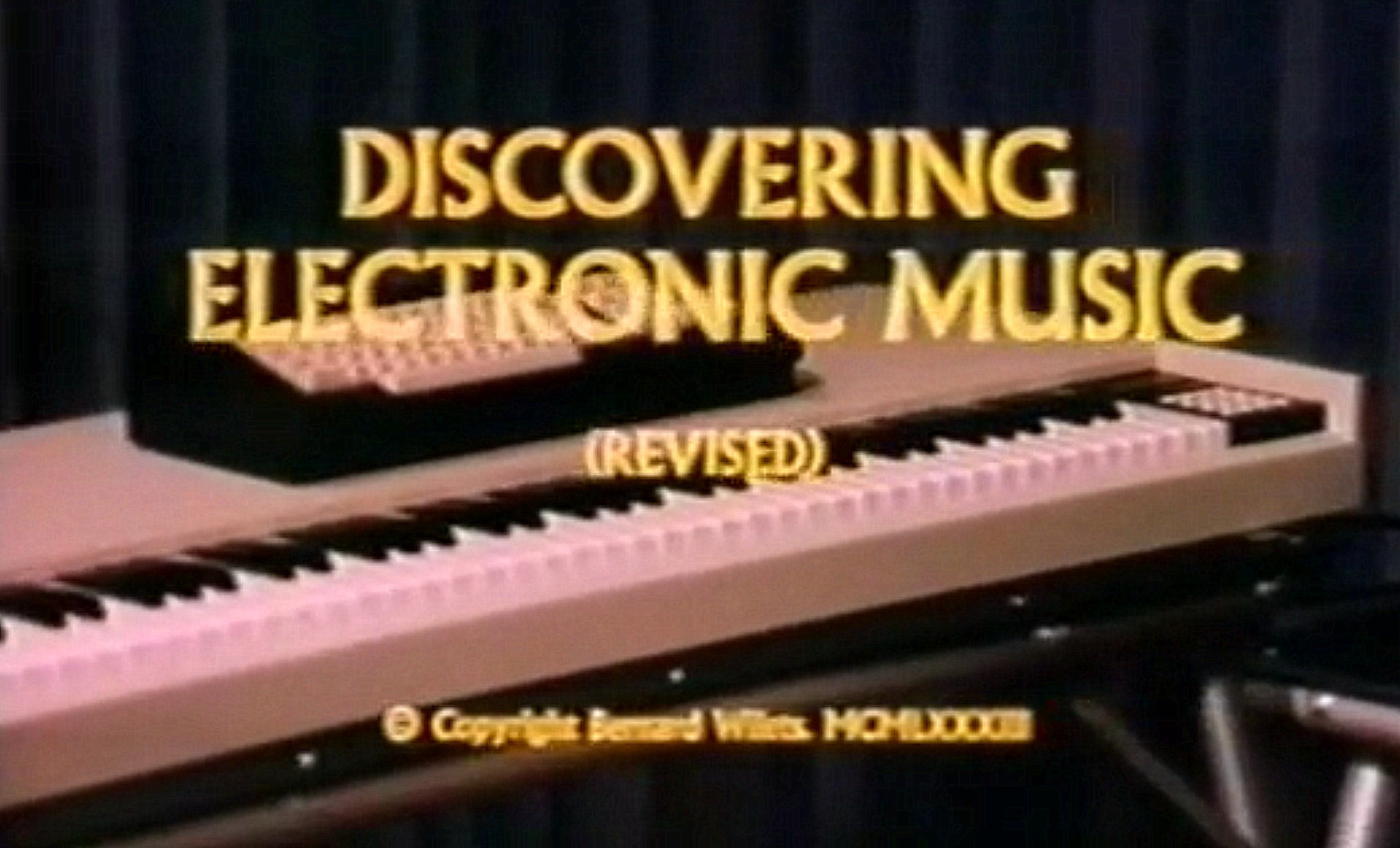
There is something charming about watching an older documentary explain electronic music as if it were a newly discovered species.
"Discovering Electronic Music," originally from 1983, is an educational introduction to electronic sound: how it differs from acoustic music, what machines produce it, and how those machines work. Today, when almost every popular genre has absorbed electronic production, the film feels like a time capsule from a moment when synthesizers and samplers still needed explanation.
The documentary does not treat electronic music as a lifestyle or aesthetic, but rather as a set of questions: What is sound? What happens when a musician no longer has to rely on traditional instruments? How do circuits, tape, and sampling reshape musical imagination?
This is a perfect entry point into the idea that “new” sounds often become old enough to be rediscovered. What once sounded futuristic can eventually become nostalgic.
Watch/research source: Open Culture / Discovering Electronic Music.
2. What the Future Sounded Like
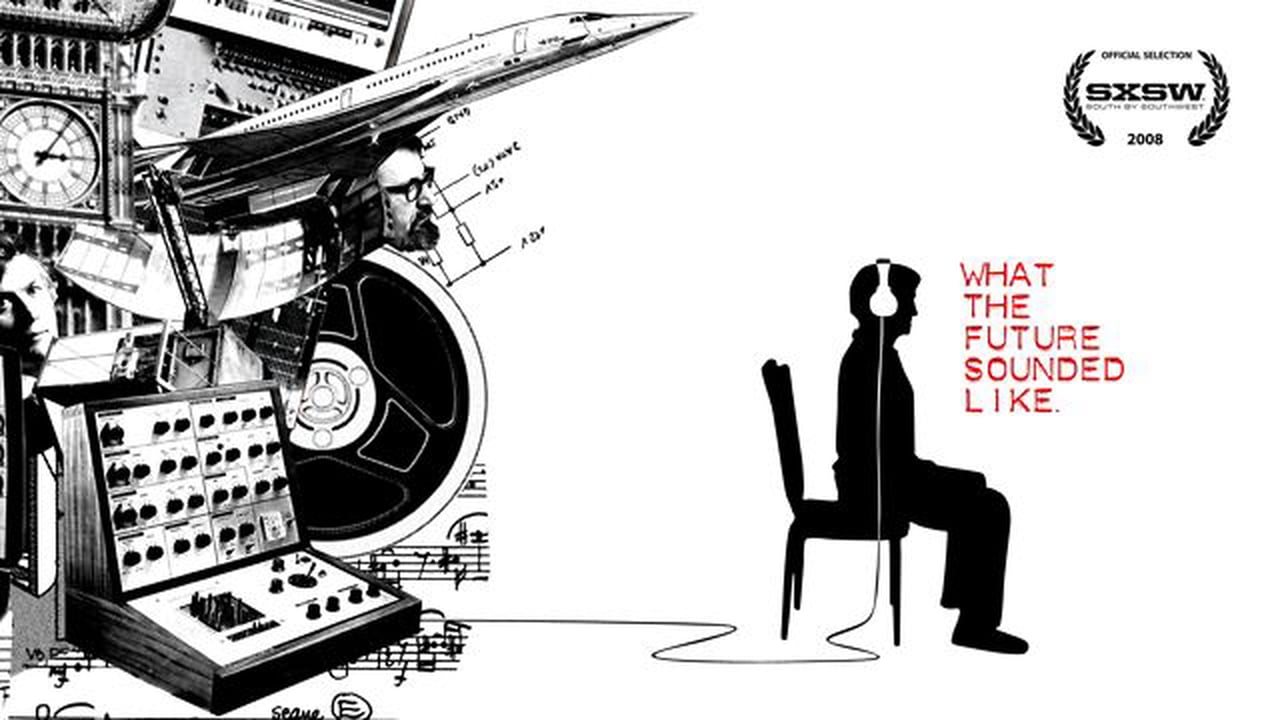
Some documentaries feel less like music history and more like archaeology from an alternate timeline.
"What the Future Sounded Like" looks at a lost chapter in British electronic music, focusing on composers and innovators who used technology to rethink what music and sound could be. It belongs to the world of tape machines, laboratories, early synthesizers, experimental studios, and broadcast culture.
The title says a lot. These were people trying to imagine the future through sound. But because we are hearing it from the present, the “future” now has a strange retro quality. It sounds advanced and old at the same time.
This documentary is ideal for anyone interested in early electronic music, library sounds, experimental pop, sci-fi textures, and the point where music history crosses into technology history.
Watch/research source: Open Culture / SoundWorks Collection / Vimeo.
3. Sisters with Transistors
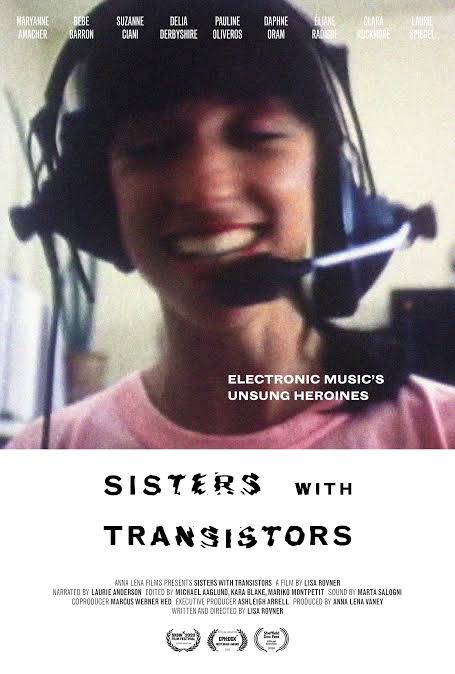
Electronic music history is often told through machines. "Sisters with Transistors" tells it through the women who used those machines to change music.
The film focuses on female pioneers of electronic music: composers and experimenters who embraced synthesizers, tape, computers, and studio technology at a time when traditional music institutions were often closed or hostile to them. Instead of treating machines as cold or inhuman, the documentary presents technology as a tool of freedom.
This is an important corrective to the usual story. Electronic music is frequently narrated through famous male producers, gear collectors, and studio myths. But many of its most radical early ideas came from women working in experimental, academic, broadcast, and independent spaces.
The film has a strong message: music history is full of missing names. Some artists were not forgotten because their work lacked value. They were forgotten because the systems around them did not know how, or did not want, to preserve their contributions.
Watch/research source: Official Sisters with Transistors website.
4. BBC Radiophonic Workshop archives
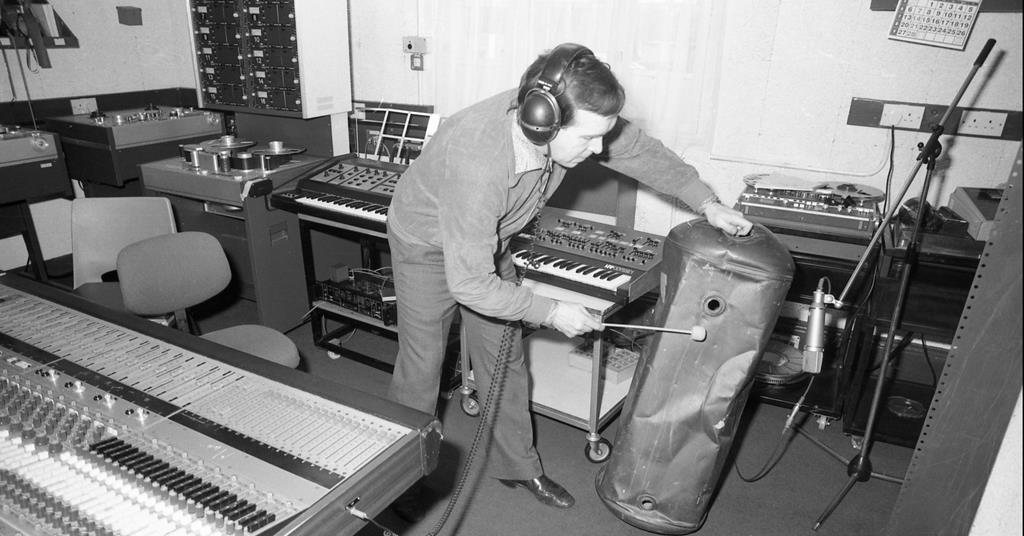
This is not one single documentary so much as an entire rabbit hole.
The BBC Radiophonic Workshop was one of the great laboratories of electronic sound. It produced music and sound effects for radio and television using tape manipulation, oscillators, found sounds, and early electronic techniques. Long before software made these tools ordinary, the Workshop was building imaginary worlds from cuts, loops, noise, and patience.
The available clips and archival videos are fascinating because they show sound being made by hand. Tape is cut and joined. Everyday noises are transformed. Machines are pushed beyond their intended use. What we now call “sound design” appears as a craft somewhere between engineering, composition, and magic.
For Revibed, this is valuable because it connects directly to the idea of listening beyond the obvious. Sometimes the most influential music is not the song in the foreground, but the sound language in the background: television cues, radio experiments, sci-fi textures, educational films, incidental music, and studio experiments.
Watch/research source: BBC Radiophonic Workshop playlist on YouTube.
5. The Amen Break
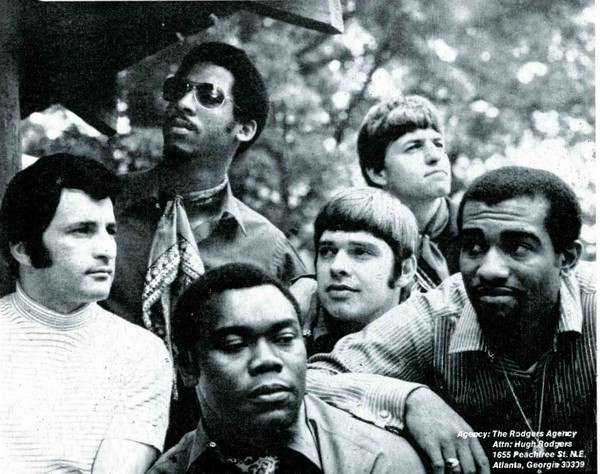
A six-second drum break can have a longer afterlife than an entire album.
The story of the Amen Break is one of the clearest examples of how music history is built through fragments. Originally taken from “Amen, Brother” by The Winstons, the break became one of the most sampled pieces of recorded music, passing through hip-hop, jungle, drum and bass, pop, advertising, and beyond.
The most interesting thing about this story is not only how widely the break travelled. It is how a tiny piece of recorded performance became infrastructure. For many listeners, the Amen Break is not a song but a sound embedded into memory. You may not know its name, but you have probably heard its descendants.
This is a perfect documentary that turns listening into detective work. One recording becomes hundreds of references. One drum pattern becomes a hidden map of modern music.
It is also a reminder that preservation is complicated. Samples can revive old music, but they can also detach sounds from their original makers. Rediscovery should include curiosity, but also credit.
Watch/research source: Open Culture / Nate Harrison’s Amen Break video essay.
6. Pump Up the Volume: A History of House Music

House music is sometimes discussed as if it arrived fully formed: drum machines, clubs, Chicago, Frankie Knuckles, four-to-the-floor, dancefloor euphoria.
"Pump Up the Volume: A History of House Music" is useful because it slows that story down. It places house in relation to disco, club culture, DJs, technology, Black and queer nightlife, and the social conditions that made dance music feel necessary.
For people who love rare music, house is a reminder that scenes are ecosystems. A genre is not just a sound. It is a network of clubs, record shops, dancers, radio stations, producers, labels, import bins, and local taste. The records matter, but so do the rooms where they made sense.
This documentary is especially useful because it connects music discovery with community. House was not only produced. It was tested, shared, stretched, danced to, and transformed in real time.
Watch/research source: Pump Up the Volume: A History of House Music, referenced in Pitchfork’s essential music documentary list.
7. Krautrock: The Rebirth of Germany
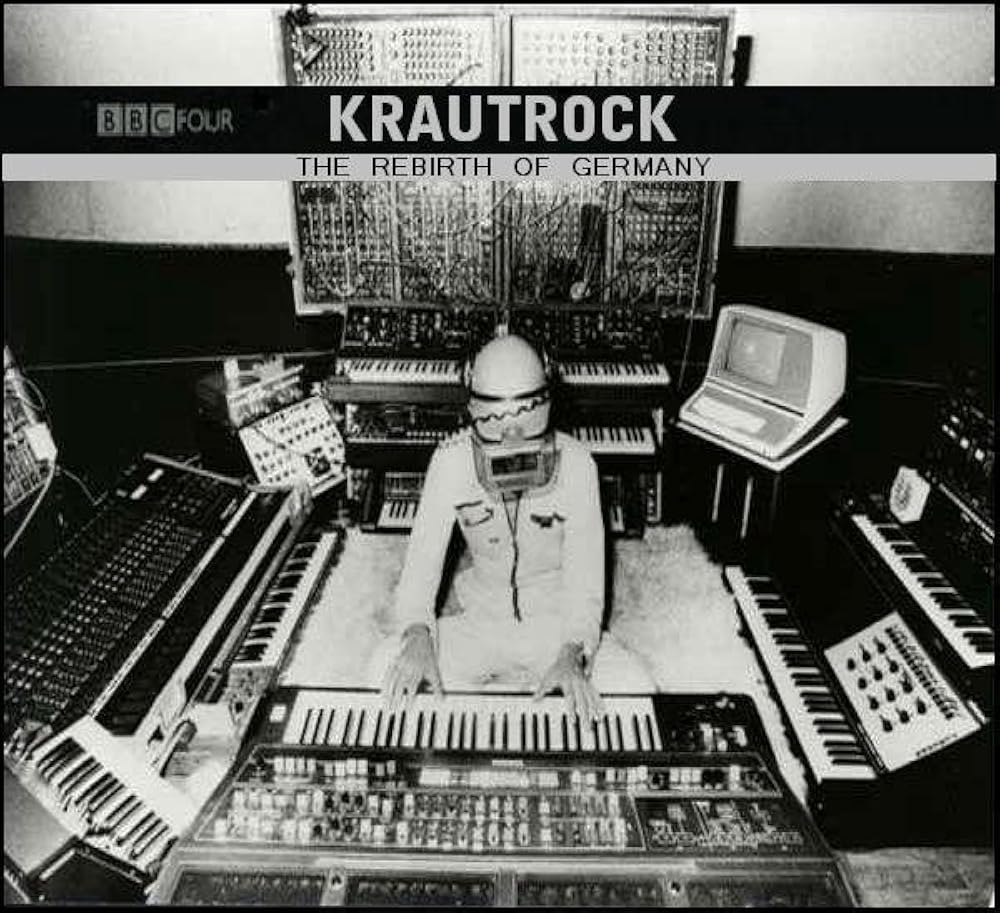
Some music scenes are born from imitation. Others are born from refusal.
"Krautrock: The Rebirth of Germany" explores a generation of German musicians in the late 1960s and 1970s who wanted to move beyond the dominance of American and British rock. Bands such as Can, Neu!, Faust, Tangerine Dream, and Kraftwerk helped create a new musical language: motorik rhythms, repetition, electronics, improvisation, minimalism, studio experimentation, and a sense of forward motion.
The documentary is compelling because it frames music as cultural reinvention. These artists were not only trying to sound new. They were trying to imagine a different identity through sound.
Krautrock is a perfect subject because its influence is everywhere, but the original context still feels mysterious to many listeners. You can hear its traces in post-punk, electronic music, ambient, techno, indie rock, experimental pop, and countless records that do not advertise the connection.
This is the kind of documentary that makes you want to pause every ten minutes and open five new tabs.
Watch/research source: BBC Four documentary, available through YouTube uploads.
8. Studio 17: The Lost Reggae Tapes
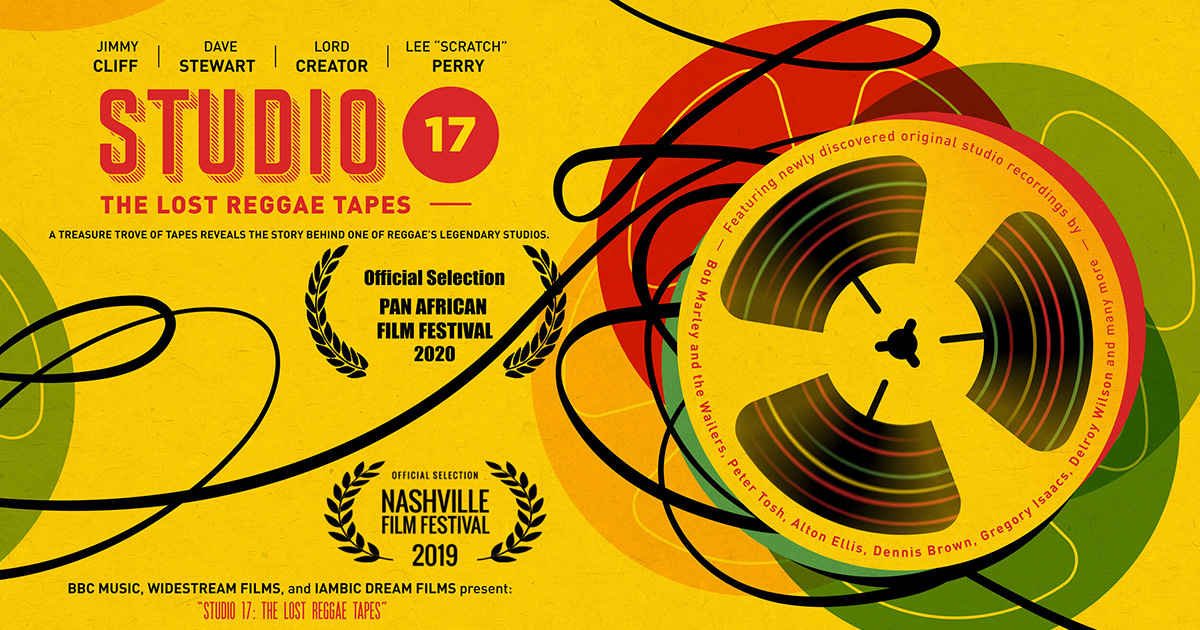
"Studio 17: The Lost Reggae Tapes" tells the story of the Chin family and their Studio 17 in downtown Kingston, Jamaica. The studio sat close to the heart of Jamaica’s post-independence music explosion, and the documentary follows the rediscovery of tapes connected to reggae’s development.
The story has everything: family history, migration, studio culture, preservation, unreleased recordings, and the fragile line between survival and disappearance. It shows that musical heritage is not abstract. It often lives in boxes, basements, closets, labels, shops, and personal archives.
This documentary is especially powerful because it connects the romance of lost music with the real work of saving it. Rediscovery is not just about finding something cool. It is about asking who made it, who kept it, who benefits from it, and how it should be heard again.
It is almost a statement of purpose.
Watch/research source: Official Studio 17: The Lost Reggae Tapes website and YouTube playlist.
The streaming era has made music feel infinite, but also strangely flat. Everything is available, yet many things remain invisible. Algorithms are good at giving us more of what we already like. They are less good at explaining why a sound mattered, where it came from, or who was left out of the story.
That is why music documentaries still matter. They restore context. They slow down discovery. They remind us that every genre was once local, every classic was once new, and every forgotten record has a world around it.
They also make us better listeners. After watching a film about tape manipulation, you hear texture differently. After learning about the Amen Break, a drum loop becomes a historical object. After discovering Studio 17, an old reggae recording feels less like content and more like evidence of a living archive.
So start with one documentary. Follow one name. Pause when something sounds strange. Look up the instrument. Find the label. Read the credits. Search the archive.
That is how a rabbit hole becomes a way of listening.
Here's our suggested viewing path:
If you want to start with technology:
Discovering Electronic Music → What the Future Sounded Like → BBC Radiophonic Workshop archives → Sisters with Transistors
If you want to start with rhythm and dance culture:
The Amen Break video essay → Pump Up the Volume → Krautrock: The Rebirth of Germany
If you want to start with preservation and lost music:
Studio 17: The Lost Reggae Tapes
And if you are here because you love the feeling of finding something that almost vanished, you are already in the right place.
********************
Happy discovery,
The Revibed Team
Related Articles