The YAYA story: A trilogy worth rediscovering

In the early 90s Germany, long before today’s algorithm-driven music landscape, an independent project emerged from a tight-knit creative circle, looking to quietly challenge the norms of music production and artistic collaboration.
Founded by Joe Mubare—alongside musicians including Andi Sommer, Mark Polscher, Harald Kümpfel, and Uli Kümpfel—YAYA Records left behind a compact body of work shaped by a practical recording ethos and a sound that moved between post-punk, experimental pop, ambient structures and rhythmic, cross-pollinated forms without ever sounding like a collage of references.
Their approach rejected what they describe as “cut-and-paste” culture, advocating instead for collaboration, spontaneity, and human imperfection. Music, for YAYA, was not a product to be optimised, but rather a moment to be captured. More than 40 years after their first collaborations, their work continues to resonate precisely because it refused to follow the standards of its time.
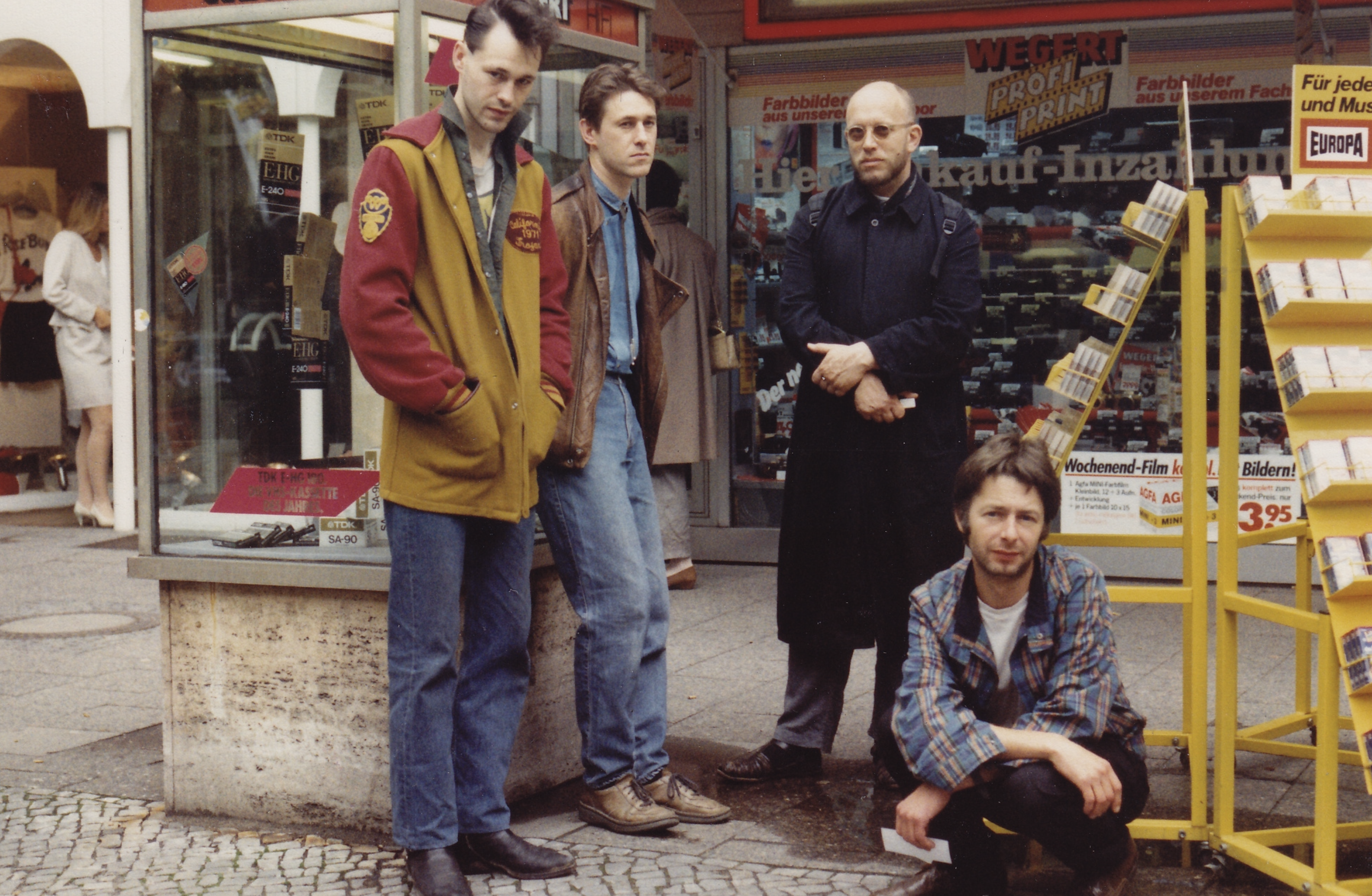
Joe Mubare & One Tongue, Planetarium Berlin
A unique sound
Plenty of records are made quickly, but not all of them feel alive. YAYA built a sound rooted in experimentation, groove, and narrative depth. Their music resists easy categorisation, blending elements of experimental rock, jazz-influenced instrumentation, and poetic storytelling.
In the label’s own story, the emphasis falls on full takes, live interplay and the value of a first or second version over endless revision. That approach is easy to romanticise, but in this case it is worth taking seriously because you can hear it in the records: not as roughness for its own sake, but as concentration.
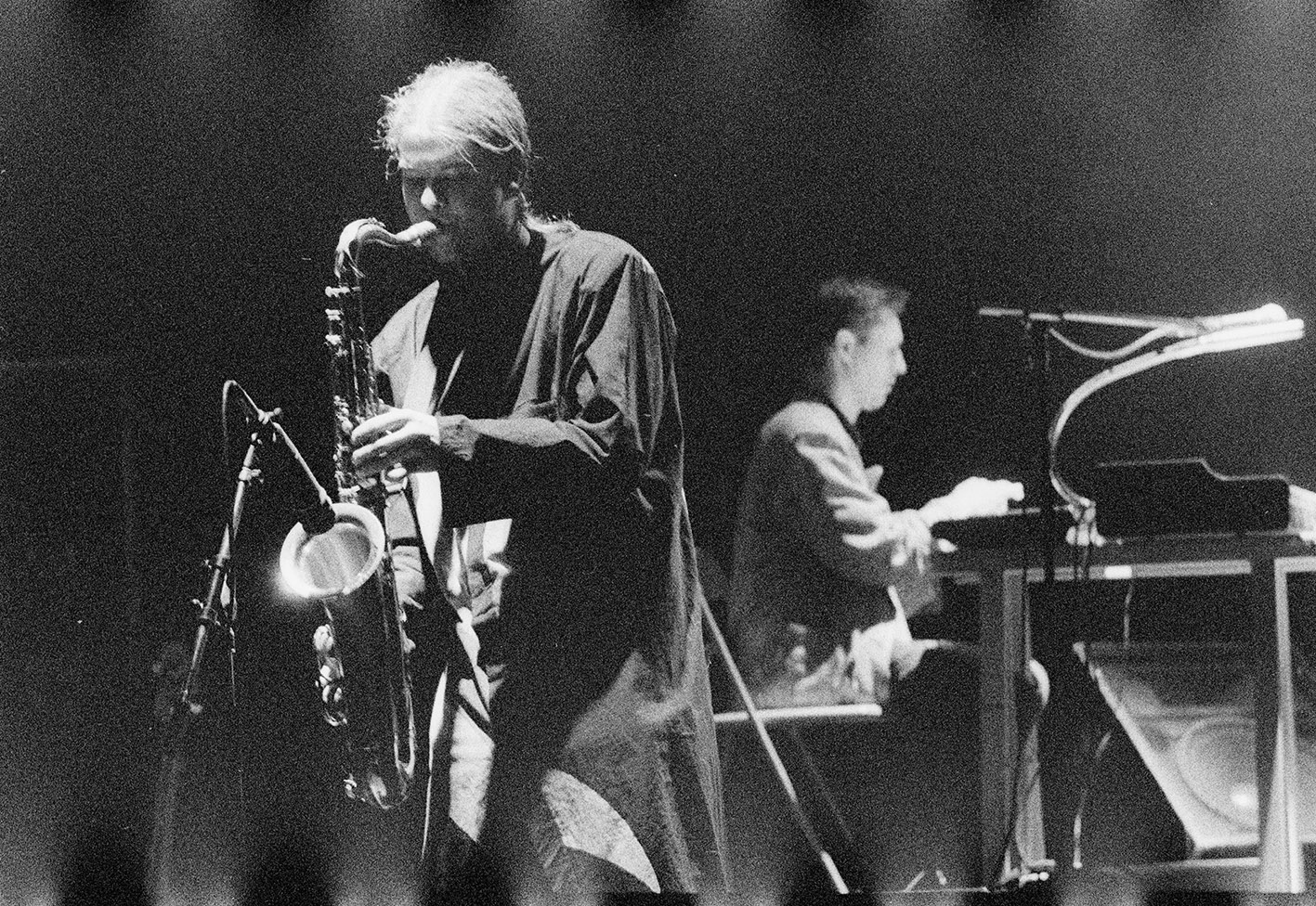
One Tongue, 1990
Their sound was defined not just genre fusion, but a commitment to capturing moments as they happened. Early recordings were made using a self-financed 16-track tape machine. Rather than chasing trends, the group embraced a raw, intuitive process. The result was music that felt immediate, alive, and uncompromisingly authentic.
What gives YAYA’s catalogue its weight is that the immediacy was matched by thought. These were not sketches presented as virtues. They were finished records shaped by people who knew when to stop, when to keep a take, and when an idea had already said what it needed to say.
The trilogy
At the heart of YAYA’s catalogue lies a trilogy of albums: Joe Mubare’s Private Scream, One Tongue’s No Doubt, and VOTU’s Learning to Be. Recorded in Munich and Augsburg studios, one record leans toward Mubare’s authorial voice, one crystallises the group identity of One Tongue, and one opens the door to a more ritualistic, cinematic extension of the same language.
Private Scream is the most direct introduction to Joe Mubare as a writer and organiser of the YAYA universe. It is a sequence full of questions, movement and private reckoning, and that tension is mirrored visually in the artwork: a faceless outline on the front, organic textures on the reverse, as if identity and environment were in dialogue.
Dealers and collectors who continue to circulate it today describe it in strikingly hybrid terms, pulling together electronic, rhythmic and downtempo language on one hand, and minimal, ethno, afro, ambient and jazz references on the other. The music was operating in its own zone, porous and exploratory.
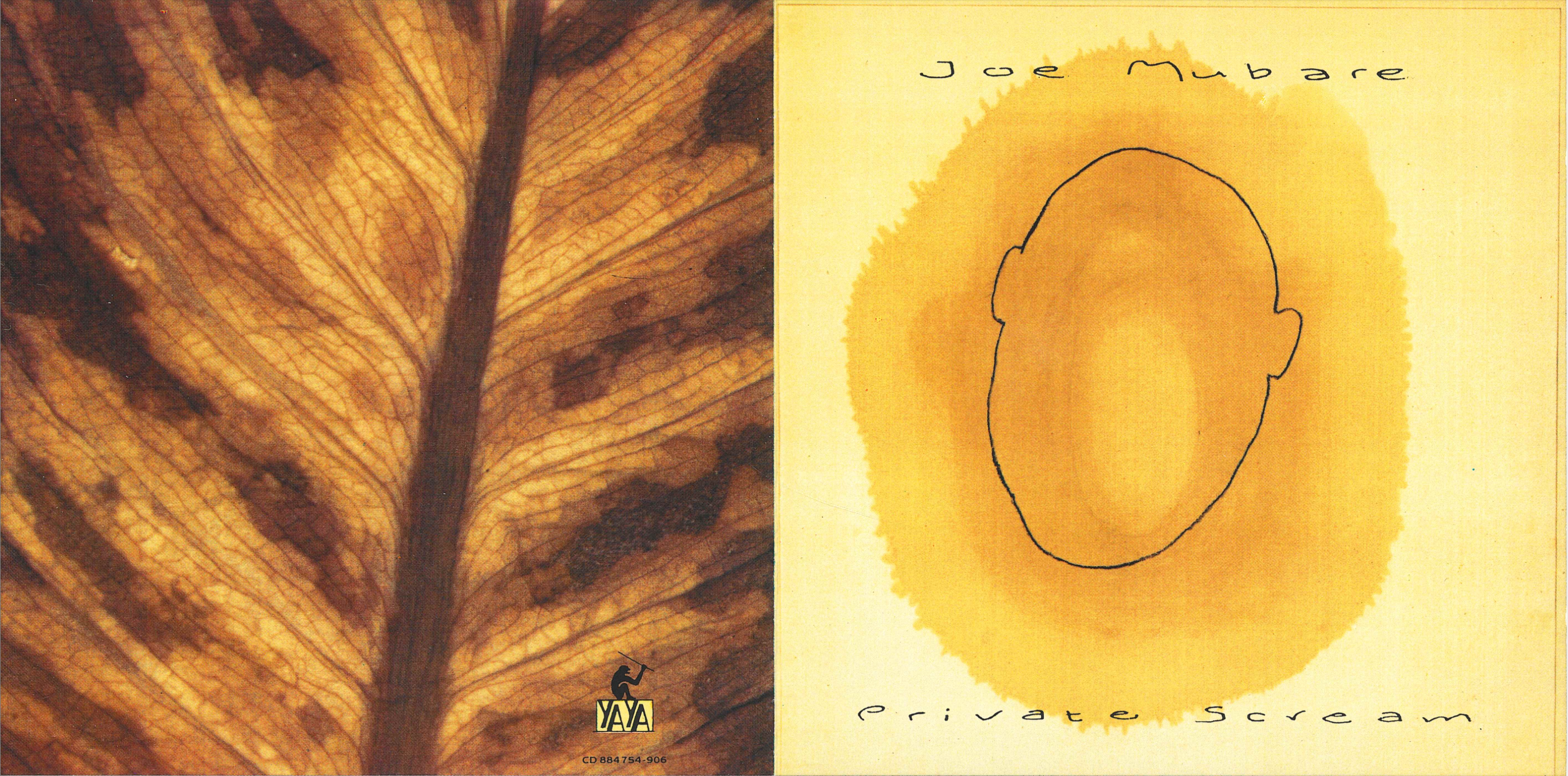
Cover of Private Scream album
If Private Scream establishes the emotional and aesthetic terrain, No Doubt feels like the collective stepping fully into frame. The label’s own account insists that it sounded “ahead of its time” then and still feels fresh more than 25 years later. The record has kept finding listeners' attention, being described as ambient, experimental and fusion—an enigmatic quality of music that trusts atmosphere as much as explanation.
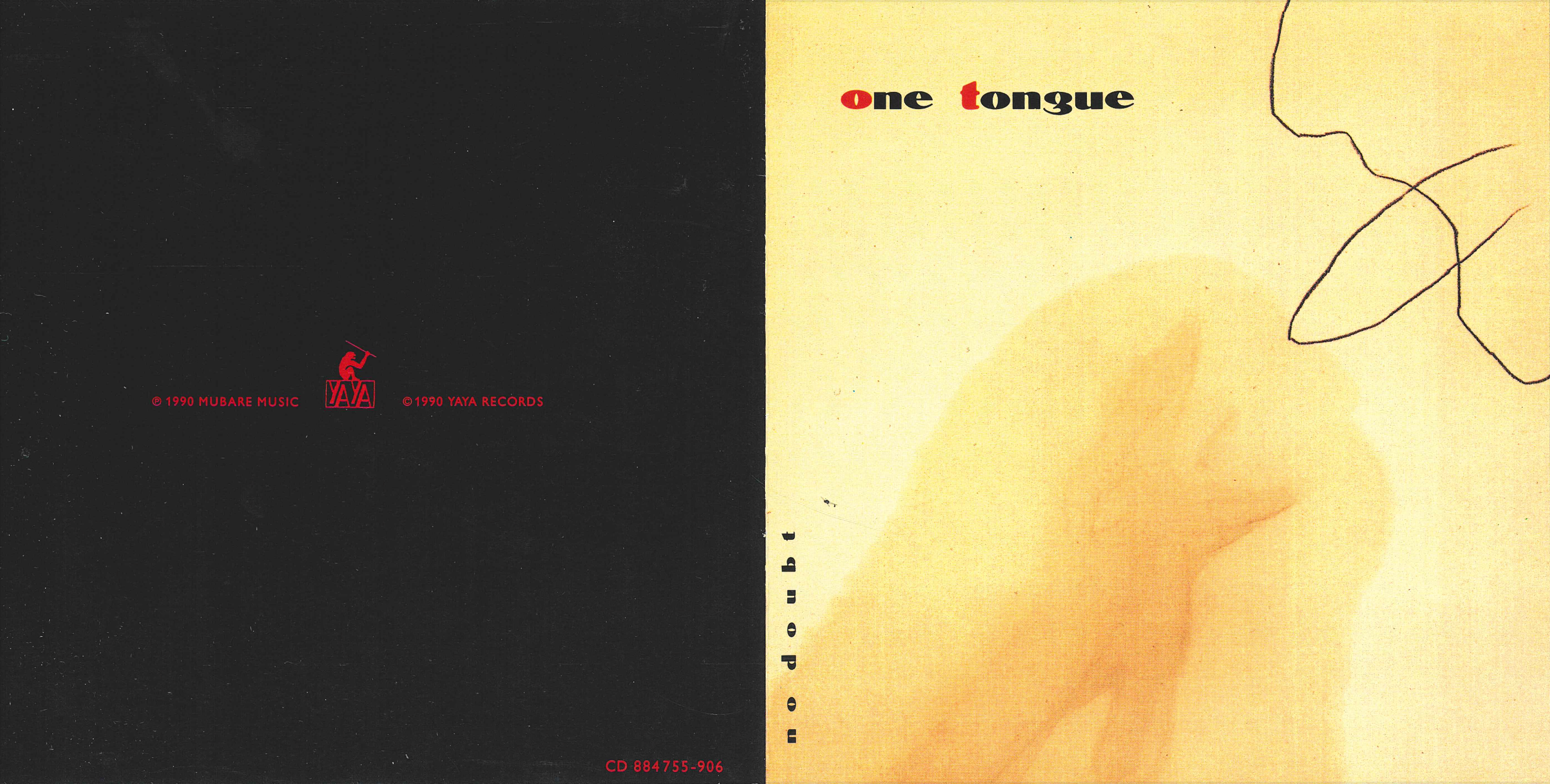
Cover of No Doubt album
Learning To Be, widens the frame again. This is perhaps the most elusive of the three YAYA records, but also the one that makes the label’s ambition most explicit. It is not content to sit inside the perimeter of a band album. It leans toward procession, trance, and a kind of percussive storytelling. The record does not reject melody so much as subordinate it to movement. Rhythm leads and the band’s collaborative instinct becomes almost cinematic.
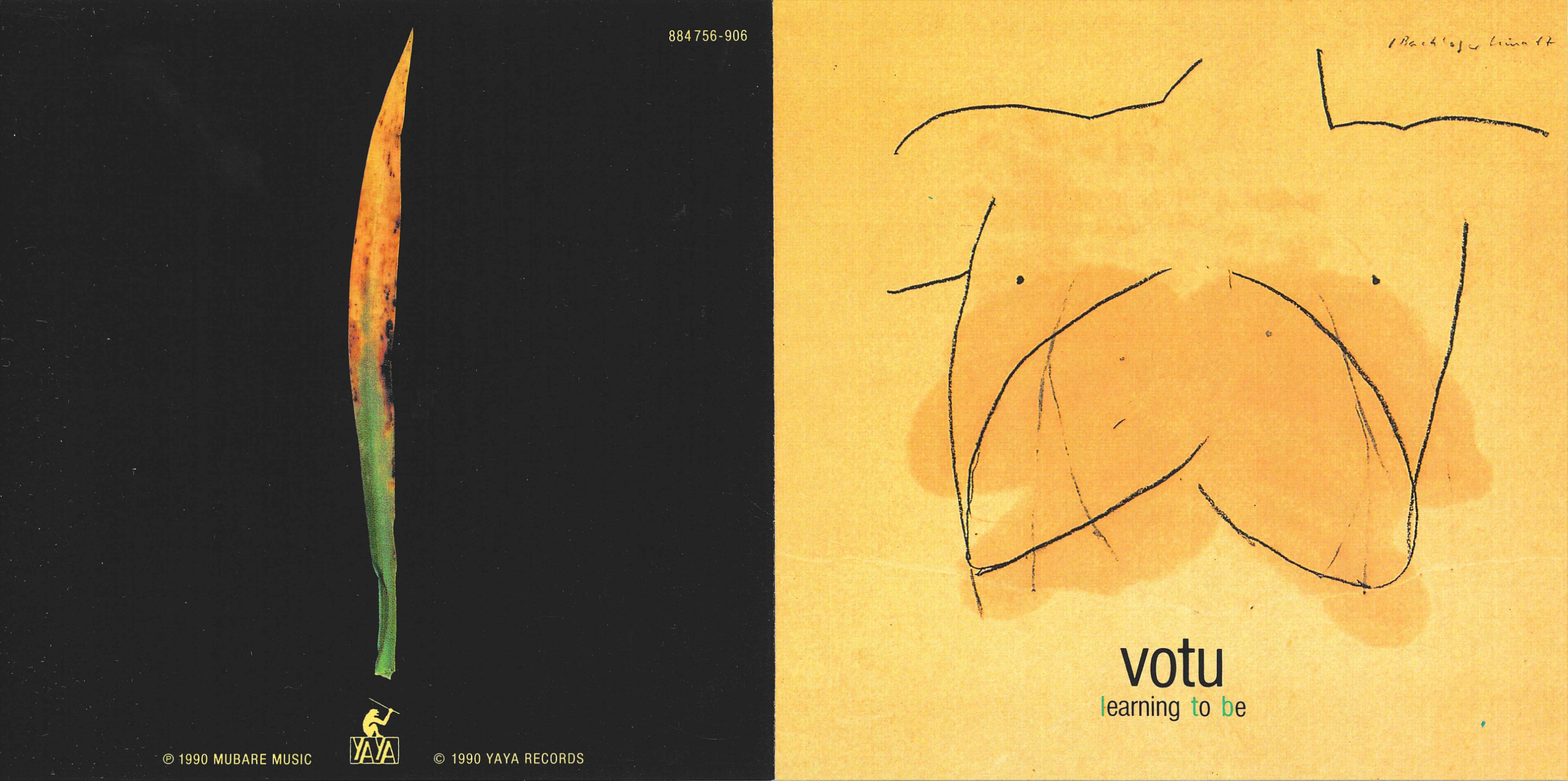
Cover of Learning To be album
Taken together, these records outline the range of the label without losing coherence. The musicians overlap, the sensibility is shared, and yet each record opens onto a different part of the same world. The continuity is audible in the personnel, in the visual design, and in the way each release balances structure with spontaneity.
A story rediscovered
For years, YAYA remained largely underground. That began to change in 2019, when the group reissued their trilogy digitally, sparking renewed interest among collectors across Europe. Copies circulated in cities like Paris, Berlin, and Brussels, eventually reaching new audiences.
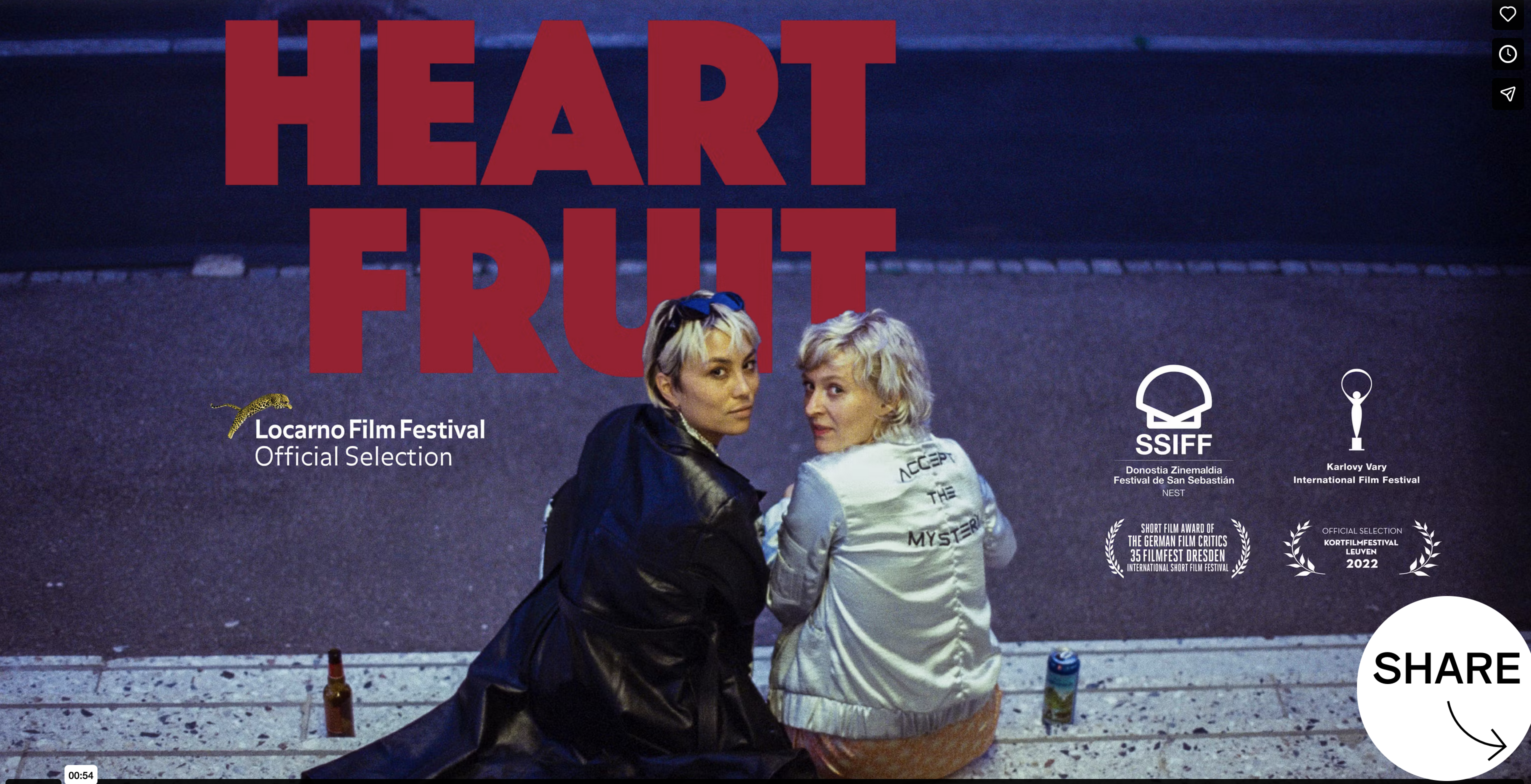
A pivotal moment came when Swiss director Kim Allamand discovered their work. Deeply inspired, he incorporated their music into his film 'Heart Fruit,' even creating visuals influenced by their sound. This led to the first-ever music video for one of their tracks—decades after its original release.
In that sense, YAYA occupies a valuable place in the wider history of independent music. It stands for a version of record-making that is neither nostalgic nor naïve. It was practical, self-directed and resistant to excess. These are not records being revived because obscurity itself has become marketable. They are being heard again because they still communicate.
For Revibed, that makes YAYA more than an archival curiosity. It is exactly the kind of label that rewards renewed attention: not because it was overlooked by accident, but because it was always operating slightly outside the usual lines of recognition. A set of records that still sound like they belong to one another. That is rarer, and more durable.
********************
The Revibed editorial team
Related Articles